‘Masking’ has been normal to me for as long as I can remember. For decades, I assumed everyone did it; perhaps they do to some extent. But the constant assessing, room-reading, and figuring out how to behave, who to be, is maybe not so common. It can be exhausting and unsettling. Raising questions like: if you are simply what is needed from you, then who are you when the masks fall away?
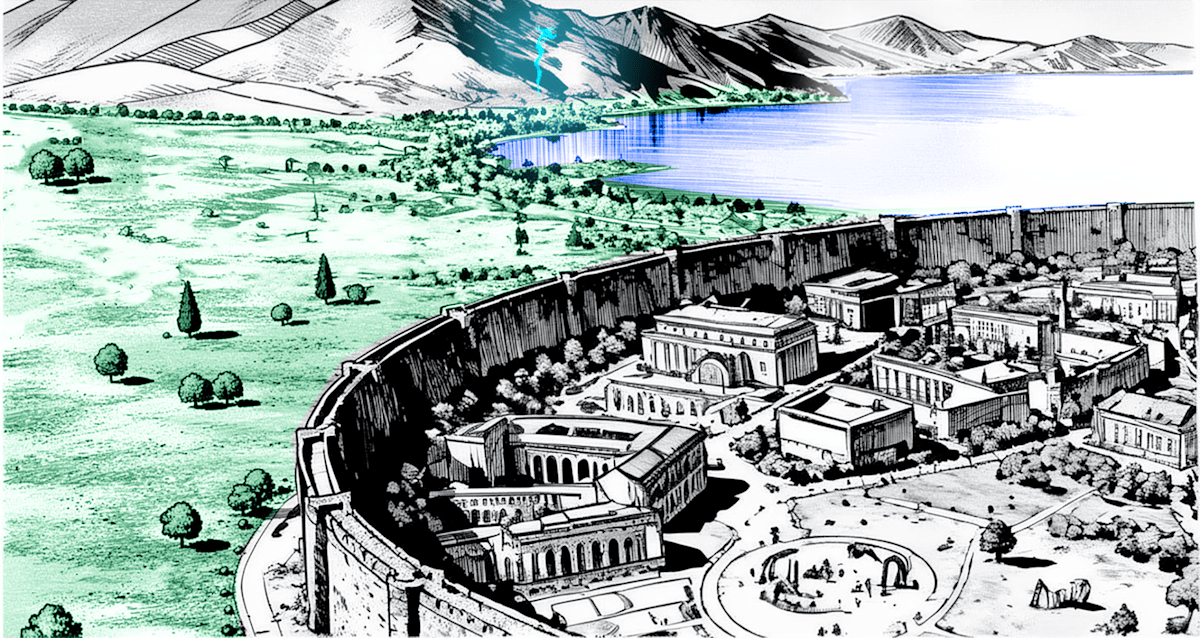
So, it's relatively unsurprising that Wraithbound is set in a fantasy world with a city so entrenched in what others wanted from it that it lost itself entirely. Taking its remaining residents with it.
I crave fantasy storytelling with characters that feel flawed and faceted. Not like gemstones, cut, displayed, and polished purely to showcase clever plots. But like real people. Shaped by their environment, messy, illogical, and slightly unpredictable! And when you begin to shape them, they make you feel a little uneasy as a writer that they will even stick to the plots you plan for them.
And what better playground for these slightly feral characters than a city that has become the embodiment of mirroring? Artonia literally changes shape to become what others need from it, its own identity long forgotten. The temptation to drop strong, unique characters into this environment and confront them with those uncomfortable questions about who they really are proved irresistible.
As identity is already such an important theme in Daisy’s journey, exploring this with the complexity of masking and with an entirely different set of social rules brought in by the Artonians was a lot of fun. Artonia is in some ways more person than city. Isolated into a tightly prescribed set of rules. Set apart to be easier to manipulate, so the outside world just closes its eyes to its plight. But there are still a few who are willing to stand and fight.
As always, change needs a catalyst, and sometimes circumstance isn’t enough. Events, people, situations all have to align to push us out of the steady familiarity of sameness. So, cue Daisy and her unique point of view to really stir things up!
Of course, I’m entirely biased, but one of the aspects I love about Daisy is how she teeters on that fine line between self-awareness and self-consciousness, oscillating between conviction and self-doubt, confidence and embarrassment – and rarely in a way she can control.
She has the quiet vulnerability of a person who knows they are a little quirky but hasn’t quite gained the confidence to wear their differences with pride. Her mind might be equal parts chaos and capability, but the brain-squirrels who run the show collect random details like acorns, burying them safely until needed, and fire off questions with the speed and accuracy of an elven archer! And it’s that innocent thirst for knowledge that is about to rock the foundations of the walls that have isolated Artonia for decades.
For all that tenacity, Daisy doesn’t come barrelling in, confident and sure of herself. She starts squarely on the back foot, overwhelmed and playing to unknown rules. Daisy’s uncertainty was easy to write for those first chapters. Her insecurities come to life as she’s faced with a team of people who seem to embody success and achievement, and of course there are the wraiths.
Daisy’s own wraiths are as flighty and unpredictable as she is, and this is compounded by the fact that trusting them involves trusting parts of herself that she has never had the courage to fully explore. But they are shiny, and exciting, and Dandé makes it look all so easy and so tempting.
It’s the age-old fantasy promise of becoming something more. That these magical-seeming companions are hers and hers alone. And with them, they bring the whispering promise of quests and adventure that she searches for in every book and D & D campaign. She just needs to learn to control them.
Or at least, that’s what she’s told, right up to the point where her questions start to peel back the masks.